
Introduction
The women's health market in North America and Europe is a dynamic and rapidly evolving sector focused on addressing the unique healthcare needs of women across all stages of life. This encompasses a wide range of products, services, and technologies aimed at preventing, diagnosing, and treating conditions specific to or disproportionately affecting women. From reproductive health and maternal care to chronic diseases, mental wellness, and general well-being, the market is driven by increasing awareness, technological advancements, and a growing emphasis on personalized and preventive healthcare. This post will delve into the market size, share, opportunities, challenges, demand, and key trends shaping the women's health landscape in these two significant regions.
North America and Europe women’s health market is expected to reach USD 16.49 billion by 2031, from USD 9.12 billion in 2023, growing at the CAGR of 8.0% in the forecast period of 2024 to 2031.
Get the PDF Sample Copy (Including FULL TOC, Graphs and Tables) of this report @
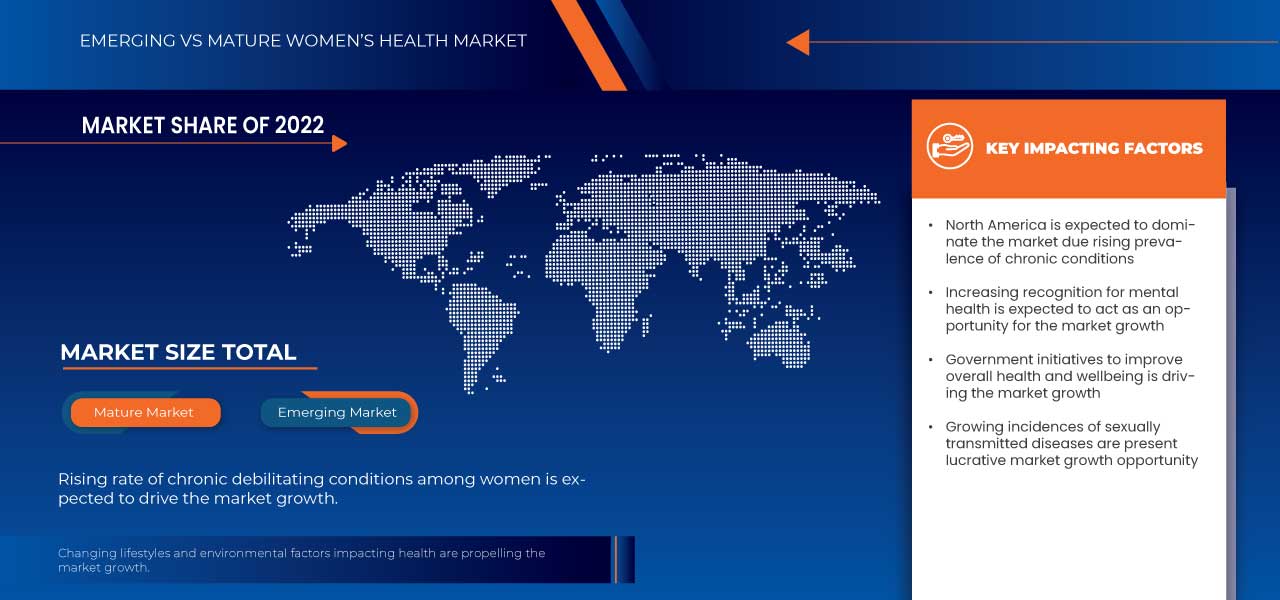
Market Size
The North America and Europe women's health market is substantial and continues to expand. In 2023, the combined market size was estimated to be around USD 9.12 billion and is projected to reach USD 16.49 billion by 2031, exhibiting a Compound Annual Growth Rate (CAGR) of approximately 8.0% during the forecast period of 2024-2031.
North America: In 2023, the North American women's health market held a significant share of the global market, valued at approximately USD 15.9 billion. This dominance is attributed to the region's advanced healthcare infrastructure, high awareness levels regarding women's health, favorable reimbursement policies, and proactive government and non-profit initiatives.
Europe: The European women's health diagnostics market alone is expected to reach USD 7,288.0 million by 2030, growing at a CAGR of 6.7% from 2025 to 2030. The broader women's digital health market in Europe is also experiencing robust growth, projected to reach USD 2457.63 million by 2032 from USD 672.42 million in 2024, with a CAGR of 17.5%. This growth is fueled by increasing digital literacy among women, widespread smartphone usage, and government initiatives promoting digital health adoption.
Market Share
The market share within the North America and Europe women's health sector is distributed across various segments, including treatment (drugs and devices), indication (cancer, reproductive health, urological disorders, hypothyroidism, post-menopausal syndrome, etc.), delivery mode (prescription and over-the-counter), drug type (branded and generic), and care type (general healthcare & wellness, pregnancy & nursing care, pelvic & uterine healthcare, etc.).
By Treatment: In 2024, the drugs segment is expected to hold the largest market share in both North America (56.53%) and Europe (58.44%) due to their widespread use as the first line of treatment for many conditions.
By Indication: The cancer segment is anticipated to dominate the market share in 2024 in both regions (North America: 38.77%, Europe: 40.16%) due to the higher prevalence of cancers among the female population, such as breast and cervical cancer.
By Delivery Mode: Prescription drugs are expected to hold the larger market share in 2024 (North America: 62.71%, Europe: 63.06%), reflecting the need for professional medical guidance for many women's health issues.
By Geography: North America currently holds the largest share of the women's health market, driven by its strong healthcare system and proactive health awareness initiatives. However, Europe is also a significant market with substantial growth potential, particularly in the digital health segment.
Market Opportunities and Challenges
The North America and Europe women's health market presents numerous opportunities for growth and innovation, alongside certain challenges that need to be addressed.
Market Opportunities:
Aging Population and Chronic Diseases: The increasing aging female population in both regions is leading to a higher prevalence of chronic conditions like osteoporosis, cardiovascular diseases, and certain cancers, driving demand for related treatments and management solutions.
Technological Advancements: Innovations in medical technology, including telehealth, AI-powered diagnostics, wearable devices, and digital health applications, are revolutionizing healthcare delivery and creating opportunities for personalized and remote care. The women's digital health market is a particularly high-growth area.
Growing Awareness and Healthcare Initiatives: Increasing awareness of women-specific health issues and supportive government policies aimed at improving women's health and well-being are fueling market growth. Initiatives promoting early screening and preventive care are also significant drivers.
Focus on Mental Health: The growing recognition of the importance of mental health among women is creating demand for innovative therapies, digital mental health tools, and support services tailored to their unique needs.
Fertility and Reproductive Health: Advancements in fertility treatments and the increasing acceptance of these options present significant opportunities in the reproductive health segment. Femtech startups are contributing innovative solutions in this area.
Menopause Market: The market for menopause-related products and services is a burgeoning area with significant potential, as companies begin to address the diverse needs and impacts of menopause on women's health and well-being.
Personalized Medicine: The increasing focus on genomics and personalized medicine offers opportunities to develop targeted treatments and preventive strategies based on individual genetic profiles and health conditions.
Market Challenges:
Adverse Effects of Treatments: Certain treatments, such as contraceptive drugs and devices, can have adverse effects, which may restrain market growth.
Stringent Regulatory Approvals: The process for obtaining regulatory approval for new women's health products and devices can be lengthy and complex, potentially hindering market entry and innovation.
Cultural and Social Barriers: In some regions, cultural and social barriers may limit women's access to healthcare services and information, affecting market growth.
Data Privacy and Security Concerns: The increasing use of digital health solutions raises concerns about data privacy and security, which need to be adequately addressed to ensure user trust and adoption.
High Cost of Treatment: The high cost of certain treatments and healthcare services can limit accessibility for some women, particularly in lower-income brackets.
Environmental Exposures: Environmental factors and chemical exposures pose a significant challenge to women's reproductive health.
Gender Bias in Research: Historically, there has been a bias in medical research, with less focus on women's health conditions, which can hinder the development of effective treatments and diagnostic tools.
Market Demand
The demand for women's health products and services in North America and Europe is driven by several factors:
Rising Prevalence of Women-Specific Diseases: The increasing incidence of conditions such as gynecological disorders, breast cancer, osteoporosis, and hormonal imbalances is a key driver of demand for diagnostic and therapeutic products.
Growing Geriatric Population: The expanding population of older women increases the demand for products and services related to age-related health issues, including post-menopausal conditions and osteoporosis.
Increased Awareness and Education: Greater public awareness and education about women's health issues empower women to seek preventive care and treatment, boosting demand.
Changing Lifestyles: Sedentary lifestyles and poor dietary choices are contributing to an increase in chronic diseases like obesity and type 2 diabetes among women, driving demand for preventive healthcare and management solutions.
Demand for Contraceptives: The ongoing need for family planning and the availability of various contraceptive methods contribute significantly to market demand.
Focus on Maternal Health: Increasing emphasis on prenatal and postnatal care to ensure the health and well-being of both mothers and infants drives demand in this segment.
Mental Health Awareness: The growing recognition of mental health as an integral part of overall well-being is increasing the demand for mental health services and digital tools tailored for women.
Market Trends
Several key trends are shaping the women's health market in North America and Europe:
Digitalization of Healthcare: The increasing adoption of digital health technologies, including mobile health apps, telemedicine, and wearable devices, is improving access to care, enabling remote monitoring, and empowering women to take a more active role in managing their health. Menstrual health, fertility tracking, and pregnancy applications are particularly popular.
Personalized Healthcare: There is a growing trend towards personalized healthcare approaches that consider individual health conditions, genetics, and lifestyle factors to provide more precise and effective treatments.
Focus on Preventive Care and Wellness: An increasing emphasis on preventive measures, overall wellness, and holistic health is driving demand for related products and services, including supplements, fitness trackers, and wellness programs.
Rise of Femtech: The Femtech industry, focusing on technology-based solutions for women's health, is experiencing significant growth and innovation, addressing areas such as reproductive health, menstrual health, menopause, and sexual wellness.
Integration of AI and Machine Learning: AI and machine learning are being increasingly used in diagnostic tools and healthcare management systems to improve accuracy, efficiency, and personalization of care for women. For instance, AI is being applied in breast cancer detection and gynecological screenings.
Expansion of Virtual Health Services: Telemedicine and virtual consultations have gained significant traction, offering convenient access to healthcare professionals and services, particularly for routine check-ups, mental health support, and specialist consultations.
Growing Importance of Mental Health: The trend of recognizing and addressing mental health as crucial to overall well-being is leading to the development of more integrated and specialized mental health services for women.
Increased Investment in Women's Health Research: There is a growing recognition of the need for more research focused specifically on women's health conditions, leading to increased investment in this area and the potential for new discoveries and treatments.
Focus on Menopause Solutions: With a growing understanding of the impact of menopause, there is an increasing trend towards developing comprehensive solutions, including non-hormonal therapies and lifestyle interventions, to support women during this life stage.
In conclusion, the women's health market in North America and Europe is a vital and expanding sector driven by demographic shifts, technological advancements, and a greater focus on women's unique healthcare needs. While challenges such as regulatory hurdles and data privacy concerns exist, the numerous opportunities for innovation and growth indicate a promising future for this market, with the potential to significantly improve the health and well-being of women across these regions.
Contact Us:
Data Bridge Market Research
US: +1 614 591 3140
UK: +44 845 154 9652
APAC : +653 1251 975
Write a comment ...